Elevate Your Space: Infusing Spiritual Serenity with Mandala Designs
In our fast-paced modern world, creating a sanctuary of peace and tranquility within our homes has become more important than ever. One of the most effective ways to achieve this is through the thoughtful incorporation of mandala designs into your living spaces. Mandalas, with their intricate geometric patterns and profound spiritual significance, have the power to transform any room into a haven of serenity and contemplation. Whether you're seeking to deepen your spiritual practice, create a more aesthetically pleasing environment, or simply surround yourself with meaningful art, mandala designs offer a versatile and beautiful solution.
The journey toward spiritual serenity through mandala design is not merely about decoration; it's about creating an intentional environment that supports your well-being and reflects your inner values. This comprehensive guide will explore how you can elevate your space through the strategic use of mandala designs, examining everything from the spiritual foundations of these sacred patterns to practical tips for incorporating them into your home décor.
Understanding the Spiritual Significance of Mandalas
Before diving into the practical aspects of incorporating mandalas into your space, it's essential to understand their profound spiritual meaning. The word "mandala" comes from Sanskrit and translates to "circle" or "completion." These intricate designs represent wholeness, unity, and the infinite nature of the universe. In various spiritual traditions, particularly Buddhism and Hinduism, mandalas serve as meditation tools and representations of the cosmos.
The Historical Context of Mandala Art
Mandalas have been created and revered for thousands of years across multiple cultures and spiritual traditions. In Tibetan Buddhism, mandalas are meticulously crafted as part of spiritual practice and are often created with colored sand, only to be ceremonially destroyed, symbolizing the impermanence of all things. In Hindu traditions, mandalas represent the universe and are used in meditation and prayer. The intricate patterns found in Islamic art, though not always called mandalas, serve similar spiritual purposes, representing the infinite nature of creation.
The creation and contemplation of mandalas have long been understood as paths to enlightenment and spiritual awakening. When you gaze upon a mandala, your eyes naturally move toward the center, creating a meditative experience that can calm the mind and elevate consciousness. This natural movement toward the center mirrors the spiritual journey inward, making mandalas powerful tools for introspection and self-discovery.
The Symbolism Within Mandala Patterns
Each element within a mandala carries symbolic meaning. The center point, or bindu, represents the source of all creation and the divine spark within each individual. The concentric circles radiating outward symbolize the expansion of consciousness and the interconnectedness of all beings. The geometric patterns often found in mandalas represent order, harmony, and the mathematical precision of the universe.
Different colors within mandalas also carry specific meanings. Red represents passion and energy, blue symbolizes tranquility and wisdom, green embodies healing and growth, yellow signifies joy and enlightenment, and purple represents spiritual awareness and transformation. By understanding these symbolic elements, you can choose mandalas that resonate with your current spiritual needs and intentions.
The Psychological Benefits of Mandala Designs
Beyond their spiritual significance, mandalas offer numerous psychological benefits that make them valuable additions to any living space. Research has shown that viewing and creating mandalas can reduce stress, anxiety, and depression while promoting feelings of calm and well-being.
Stress Reduction and Mental Clarity
The symmetrical nature of mandalas has a naturally calming effect on the human mind. When we view symmetrical patterns, our brains process them more efficiently, requiring less cognitive effort. This allows our minds to relax and enter a more meditative state. The repetitive, circular nature of mandala patterns can lower heart rate and blood pressure, creating a physiological response that mirrors deep relaxation.
Many people find that simply gazing at a mandala for a few minutes can clear mental clutter and provide clarity on challenging situations. The focused attention required to truly observe a mandala's intricate details naturally quiets the constant chatter of the mind, allowing for deeper thought and intuition to emerge.
Enhanced Creativity and Inspiration
Surrounding yourself with mandala designs can stimulate creativity and inspire new ideas. The complex patterns and harmonious proportions found in mandalas can activate the creative centers of the brain, encouraging innovative thinking and artistic expression. Many artists, writers, and creative professionals find that having mandala designs in their workspace enhances their ability to think outside the box and access their creative flow.
Improved Focus and Concentration
The meditative quality of mandalas makes them excellent tools for improving focus and concentration. Whether you're working on a challenging project or studying for an important exam, having a mandala visible in your space can help anchor your attention and maintain mental clarity. The natural draw of the eye toward the center of a mandala can help redirect wandering thoughts back to the task at hand.
Choosing the Right Mandala Designs for Your Space
With countless mandala designs available, selecting the ones that best suit your space and spiritual needs requires thoughtful consideration. Different mandalas carry different energies and serve different purposes, so understanding your options is crucial.
Traditional vs. Contemporary Mandala Designs
Traditional mandalas, often inspired by Buddhist, Hindu, or Islamic art, feature intricate geometric patterns and symbolic elements rooted in ancient spiritual practices. These designs carry the weight of centuries of spiritual tradition and can create a deeply authentic atmosphere in your space. Contemporary mandala designs, while still honoring the fundamental principles of mandala art, often incorporate modern aesthetics, bold colors, and innovative patterns that appeal to contemporary sensibilities.
Both traditional and contemporary designs have merit. Traditional mandalas may be better suited for meditation spaces or rooms dedicated to spiritual practice, while contemporary designs might work beautifully in living rooms, bedrooms, or creative spaces where you want to balance spiritual elements with modern décor.
Color Considerations
The color palette of your chosen mandalas should complement both your existing décor and your spiritual intentions. Warm colors like reds, oranges, and yellows create energizing, vibrant spaces that promote activity and social interaction. These colors work well in living rooms, kitchens, and social spaces. Cool colors like blues, purples, and greens create calming, introspective atmospheres ideal for bedrooms, meditation rooms, and personal sanctuaries.
Monochromatic mandalas in black, white, or grayscale offer a sophisticated, minimalist aesthetic that works well in contemporary spaces and can serve as neutral anchors in rooms with varied color schemes. Multicolored mandalas bring vibrancy and joy to a space, making them excellent choices for creative studios, children's rooms, or any space where you want to infuse energy and playfulness.
Size and Scale
The size of your mandala designs should be proportional to your space and serve your intended purpose. Large-scale mandalas can serve as focal points in a room, drawing the eye and commanding attention. A large mandala tapestry or wall art can transform an entire room and create a powerful spiritual presence. Medium-sized mandalas work well as accent pieces, adding visual interest without overwhelming the space. Small mandalas, such as those on throw pillows or in frames, can be scattered throughout your home, creating subtle spiritual touchpoints in various rooms.
Incorporating Mandalas into Different Rooms
Each room in your home serves a different purpose and requires a different approach to mandala integration. Let's explore how to effectively incorporate mandala designs into various spaces.
Creating a Meditation and Spiritual Sanctuary
Your meditation space is perhaps the most obvious place to incorporate mandala designs. This room should be dedicated to spiritual practice and inner peace, making it the perfect canvas for mandala art. Consider creating a focal point with a large mandala tapestry or wall hanging that you can gaze upon during meditation. Surround this central mandala with complementary spiritual elements such as candles, crystals, plants, and comfortable seating.
The color palette for a meditation room should promote calm and introspection. Deep blues, purples, and greens are excellent choices, as are soft, muted tones that create a serene atmosphere. You might also incorporate mandalas into your meditation practice itself by using mandala coloring books or creating your own mandalas as a form of moving meditation.
Lighting is crucial in a meditation space. Soft, warm lighting that doesn't create harsh shadows will allow you to fully appreciate the details of your mandala designs. Consider using dimmable lights, candles, or salt lamps to create an atmosphere conducive to deep spiritual practice.
Transforming Your Bedroom into a Restful Retreat
Your bedroom should be a sanctuary of rest and rejuvenation, making it an ideal space for mandala designs that promote relaxation and peaceful sleep. Consider incorporating mandalas through bedding, wall art, or tapestries in calming colors. A mandala tapestry hung above your bed can create a beautiful focal point while promoting restful sleep and pleasant dreams.
Soft, cool-toned mandalas in blues, purples, and greens are particularly effective in bedrooms. You might also consider mandalas with nature-inspired elements, such as floral or botanical patterns, which can create a sense of connection to the natural world and promote relaxation.
Avoid overly stimulating or bright mandalas in the bedroom, as these can be energizing rather than calming. Instead, opt for designs with gentle curves, soft colors, and intricate but not overwhelming patterns. You might also place a small mandala on your nightstand or incorporate mandala designs into your bedding for subtle spiritual support throughout the night.
Energizing Your Living Room and Social Spaces
Your living room is where you gather with family and friends, making it an excellent space for mandalas that promote harmony, connection, and positive energy. Vibrant, multicolored mandalas can add visual interest and create a welcoming atmosphere. Consider using a large mandala tapestry as a focal point, or incorporate smaller mandalas through artwork, throw pillows, and decorative objects.
In social spaces, mandalas can serve as conversation starters and create a sense of intentionality in your home. Guests will appreciate the thoughtful aesthetic and may find themselves drawn to the spiritual elements you've incorporated. The presence of mandalas can subtly elevate the energy of your space, promoting deeper conversations and meaningful connections.
You might also consider incorporating mandalas into your entertainment choices. Playing mandala-inspired music or displaying mandala-themed documentaries can enhance the spiritual atmosphere of your living room while entertaining and educating your guests.
Enhancing Your Creative Studio or Workspace
If you have a creative studio or workspace, mandalas can significantly enhance your productivity and creative flow. The geometric precision and harmonious proportions of mandalas can inspire innovative thinking and help you access your creative potential. Consider placing a mandala where you can see it while working, or incorporate mandala designs into your workspace through wall art, desk accessories, or even a mandala-patterned rug.
The color of your workspace mandalas should support your creative goals. Warm colors like orange and red can stimulate creativity and energy, while cool colors like blue can promote focus and clarity. You might also choose mandalas with specific symbolic meanings that align with your creative work.
Many creative professionals find that having a mandala visible in their workspace helps them maintain focus during long work sessions and provides a visual anchor when they feel stuck or uninspired. The meditative quality of mandala designs can help quiet self-doubt and creative resistance, allowing your authentic creative voice to emerge.
Bringing Serenity to Bathrooms and Personal Spaces
Bathrooms are often overlooked as spaces for spiritual design, yet they offer wonderful opportunities for incorporating mandalas. A mandala shower curtain, bath mat, or wall art can transform your bathroom into a spa-like sanctuary. Consider using mandalas in soft, calming colors that promote relaxation and self-care.
Personal spaces like closets, dressing rooms, or reading nooks can also benefit from mandala designs. These intimate spaces are perfect for incorporating mandalas that reflect your personal spiritual journey and support your well-being throughout the day.
Practical Methods for Displaying Mandala Designs
There are numerous ways to incorporate mandala designs into your home, each offering different aesthetic and practical benefits. Let's explore the most effective display methods.
Mandala Tapestries and Wall Hangings
Mandala tapestries are one of the most popular and versatile ways to display mandala designs. These fabric hangings can cover large wall spaces, creating dramatic focal points in any room. Tapestries are available in countless designs, colors, and sizes, making it easy to find options that suit your aesthetic preferences and spiritual needs.
When selecting a tapestry, consider the size of your wall and the overall aesthetic of your room. A large tapestry can serve as the primary focal point of a room, while smaller tapestries can be layered or grouped to create visual interest. Tapestries are also practical because they can be easily changed or rotated, allowing you to refresh your space seasonally or as your spiritual needs evolve.
Framed Mandala Art and Prints
Framed mandala prints offer a more traditional, gallery-like approach to displaying mandala designs. High-quality prints in beautiful frames can elevate your space and create a sophisticated aesthetic. Framed mandalas work particularly well in living rooms, bedrooms, and offices where you want to create a polished, intentional look.
Consider creating a gallery wall with multiple framed mandalas in complementary colors and styles. This approach allows you to tell a story with your art and create a visually cohesive display that reflects your spiritual journey. You might also consider rotating your framed mandalas seasonally or as your spiritual practice evolves.
Mandala Bedding and Textiles
Incorporating mandalas into your bedding is an excellent way to surround yourself with these sacred designs while you sleep. Mandala-patterned sheets, duvet covers, and pillowcases can transform your bed into a spiritual sanctuary. These textiles are not only beautiful but also practical, as they serve their intended function while infusing your space with spiritual energy.
Beyond bedding, mandala designs can be incorporated into other textiles such as throw blankets, curtains, and rugs. These soft furnishings add comfort and warmth to your space while reinforcing the spiritual atmosphere you're creating.
Mandala Rugs and Floor Coverings
A mandala rug can serve as a grounding element in your space, literally anchoring your spiritual practice. Mandala rugs are available in various sizes and styles, from traditional designs to contemporary interpretations. Placing a mandala rug in your meditation space, yoga area, or living room can create a defined sacred space while adding visual interest and comfort underfoot.
When selecting a mandala rug, consider the traffic patterns in your room and choose a design that complements your existing décor. Lighter-colored mandalas can make a space feel larger and more open, while darker mandalas create a more intimate, grounded atmosphere.
Mandala Decorative Objects and Accessories
Beyond wall art and textiles, mandalas can be incorporated into your space through decorative objects and accessories. Mandala-patterned throw pillows, ceramic bowls, wooden boxes, and other decorative items can add subtle spiritual touches throughout your home. These smaller pieces are excellent for creating visual continuity and reinforcing the mandala theme without overwhelming your space.
Consider grouping mandala accessories on shelves, side tables, or in display cases to create intentional vignettes that reflect your spiritual practice. These curated collections can serve as visual reminders of your spiritual intentions and create focal points of beauty and meaning in your home.
Living Mandalas: Plants and Natural Elements
One of the most beautiful ways to incorporate mandalas into your space is through living mandalas created with plants and natural elements. Arrange plants in circular patterns that mirror mandala designs, or create mandala-inspired garden layouts if you have outdoor space. The organic, living quality of plant-based mandalas creates a dynamic, ever-changing spiritual presence in your home.
You might also incorporate natural elements like stones, crystals, or branches arranged in mandala patterns. These living and natural mandalas connect you to the earth and the natural world while creating stunning visual displays that evolve and change with the seasons.
Combining Mandalas with Other Spiritual Elements
While mandalas are powerful on their own, combining them with other spiritual elements can create a more cohesive and deeply meaningful environment. Let's explore how to integrate mandalas with complementary spiritual practices and décor.
Mandalas and Meditation Practices
Mandalas are traditionally used as meditation focal points, and this practice remains one of the most effective ways to work with mandala designs. Establish a regular meditation practice where you gaze upon a mandala, allowing your eyes to naturally move toward the center. This practice, known as mandala gazing or trataka, can deepen your meditation and enhance your spiritual awareness.
You might also incorporate mandalas into other meditation practices, such as visualization or chakra meditation. Different mandalas can be associated with different chakras, allowing you to use mandala designs to support your energy work and spiritual development.
Mandalas and Crystal Healing
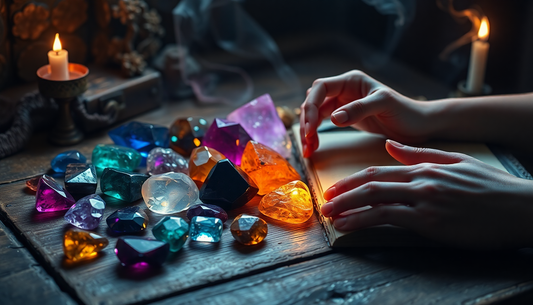
Crystals and mandalas complement each other beautifully, as both are associated with healing, spiritual growth, and energy work. Consider placing crystals on or around your mandala displays to amplify their energetic effects. You might create a crystal grid in a mandala pattern, using the geometric precision of the mandala to direct and focus crystal energy.
Different crystals can be paired with different mandalas based on their properties and your intentions. For example, amethyst paired with a purple mandala can enhance spiritual awareness, while rose quartz with a pink mandala can promote